Area Guide No. 07 — The Eastern Corridor
Manor, Elgin, and Del Valle, honestly. The value frontier, the newest job growth, the airport run, and how to weigh a new build against real acreage.
East of Austin is the region's value frontier: more land and more house per dollar, small towns with real character, and the metro's newest job growth pulling development this way. From close-in Manor to small-town Elgin and airport-adjacent Del Valle, this corridor rewards buyers who want room to breathe and a short run to the east-side employers. This guide is the honest, on-the-ground read on how the pieces differ and how to buy well.
Contents

The corridor at a glance
Head east from Austin on US-290 or down SH-130 and the land opens up: prairie and farmland giving way to new communities, small historic towns, and the region's newest industrial and job growth. The eastern corridor carries some of the metro's most affordable new construction and its largest lots, along with a genuinely small-town pace once you clear the city edge. For buyers priced out closer in, or drawn to the east-side employers and the airport, this is the frontier worth understanding.
The east side is where the same budget buys the most: newer homes at lower price points and, further out, real acreage. If space and dollars-per-square-foot lead your list, this corridor answers.
Major new employment and industrial growth has landed on the metro's east and southeast side, along with the airport. For those jobs, living east can mean a genuinely short commute.
SH-130 runs the length of the eastern edge, a fast, uncrowded toll route to the airport, the southeast job centers, and the southern corridor without touching I-35.
You'll find both here: master-planned new construction close in around Manor, and land and acreage opportunities as you move toward Elgin and beyond.
The towns, honestly
The names you'll hear on an eastern-corridor tour, described by character rather than ranked. Which one fits depends on your budget, your commute, and how much land and small-town pace you want:
- Manor — the close-in anchor: the fastest-growing eastern suburb, with active new-construction communities and the shortest run back to Austin and the airport of the corridor. Where most relocating buyers start out here.
- Elgin — the small-town heart: a historic brick-and-sausage town with a real Main Street, more affordable homes, and land opportunities around it. A genuine small-town pace within reach of the metro.
- Del Valle — airport and job-center adjacent: close to ABIA, the racetrack, and the southeast employment growth, with a mix of established homes, newer communities, and land.
- The eastern edge & open land — beyond the towns, eastern Travis and the county lines toward Bastrop offer acreage, custom-build sites, and rural living for buyers who want space, with the well, septic, and land homework that comes with it.
School options out east, mapped out
Schools matter as much out here as anywhere, so know the full landscape — not just the district line. We don't rank schools or steer by them; fit is personal and yours to decide. What you should know going in:
- The public districts: this corridor spans several — Manor ISD, Elgin ISD, and Del Valle ISD among them — and fast growth means new campuses and redrawn boundaries. Verify the current assignment for a specific address, and ask the district what's planned near any new community you're considering.
- Charter, private & homeschool options: tuition-free public charters operate on the east side with enrollment by application rather than address, and private options sit within reach toward Austin. Charter seats are often lottery-based; apply early if that's your path.
- If schools lead your search, say so: we'll build the home tour around school logistics — drive times at drop-off hour, not midnight — instead of retrofitting schools to a house you already love.
We don't rank areas by schools. Confirm current boundaries, ratings, and campuses per address with the district and the Texas Education Agency, and tour campuses in person before you commit to an address.

Daily life out east
- Elgin earns its nicknames. Known statewide for its sausage and its historic brick heritage, the town's Main Street and long-running barbecue and market traditions give the corridor a genuine small-town anchor.
- Wide-open recreation. The eastern parks, the Colorado River bottomlands, and nearby state parks toward Bastrop put fishing, paddling, and hiking within an easy reach.
- Retail is thinner but growing. Close-in Manor and Del Valle keep adding grocery and everyday services; further out, plan a longer errand loop and lean on what the small towns offer.
- Events with real roots. Elgin's Western Days, Manor's community events, and the racetrack's calendar of races and concerts give the corridor a distinct rhythm.
- Downtown Austin stays close from the inner edge: the east side's whole point is being minutes from the city and the airport while paying frontier prices.
Buying new & buying land
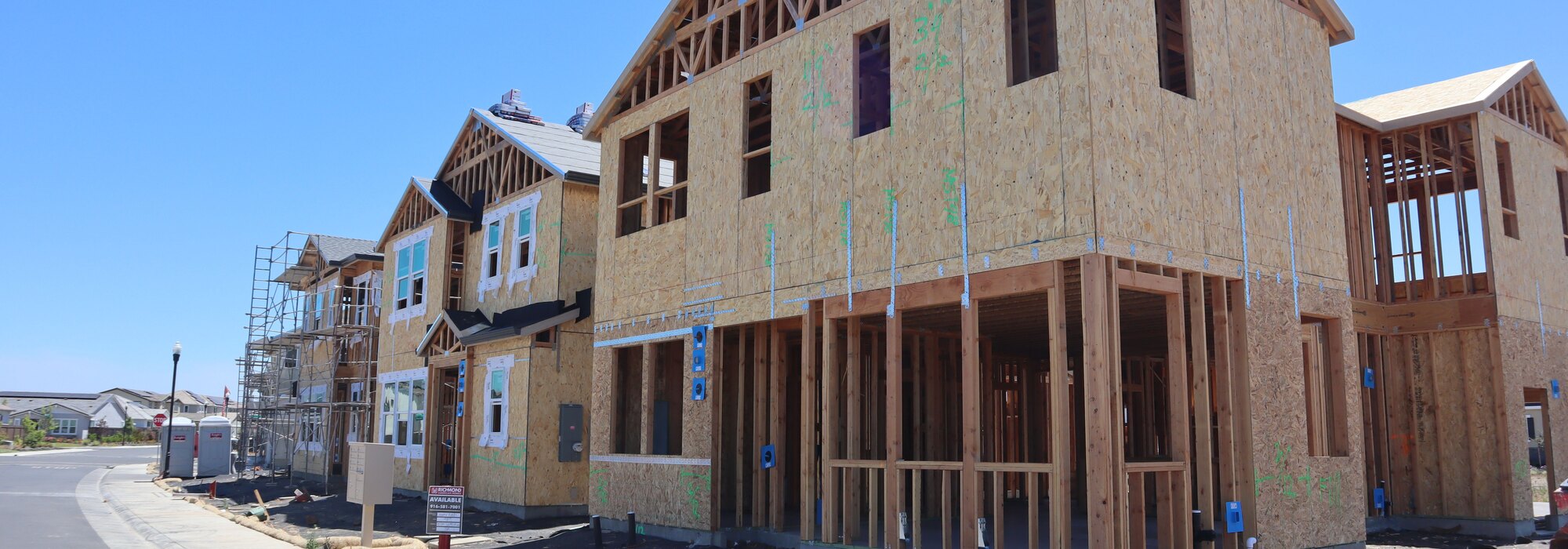
The eastern corridor splits into two buys: master-planned new construction close in, and land or acreage as you move out. Each rewards a different kind of homework:
- New communities cluster around Manor and the inner edge, with competing builder incentives. Ask for this week's tracker before you tour, and register your representation before the first model visit.
- MUD and PID districts are common in the newer master plans. They fund amenities and sit on your tax bill. Budget the settled all-in monthly, not year-one taxes on bare dirt.
- Land and acreage need extra diligence. Water (well versus utility), septic and soil, floodplain, road access and easements, and utility distance all shape both price and livability. We line up the right inspections before you commit.
- Verify the growth story per address. The east side moves fast, but development timelines and what's actually funded vary block to block. We separate what's built and permitted from what's merely proposed.
The money & the districts
- Price a specific address, never the town. Travis or Bastrop County, the city or unincorporated status, the school district, and any MUD/PID stack differently street by street out here.
- City versus unincorporated matters. Whether an address sits inside a city or in the county changes services, rules, and taxes; confirm which applies before you fall for a listing.
- Homestead exemption: file it once you own and occupy; verify current rules with the county appraisal district that covers your address.
- New-build taxes step up as the home and neighborhood finish out. Budget year-two reality, not year-one teaser bills.
- Insurance and land costs early. On acreage especially, get real quotes for insurance, well, and septic on the real address before you commit to a number.
General information, not tax, legal, or lending advice. Verify specifics with the county, a licensed lender, and licensed inspectors. We're glad to run real numbers on any address.

The commute & the airport
- US-290 East is the corridor's main artery back toward Austin through Manor and out to Elgin; it carries real traffic at peak, so drive your actual hour before you buy.
- SH-130 (toll) is the east side's advantage: a fast, uncrowded run to the airport, the southeast job centers, and the southern corridor, with no I-35 involved.
- The airport is close. ABIA sits on Austin's southeast side, often a much shorter run from the eastern corridor than from the northern suburbs. For frequent flyers, that's real time back.
- East-side employers can be a short hop. For the region's newest large job centers on the east and southeast, living out here can turn a cross-town slog into a quick drive. Match your home to your actual worksite.
List the two or three places you actually have to reach often. Where you land along I-35, MoPac, 183, and the tollways shapes your daily life more than almost anything else.
| Place you must reach | How often | Max drive you'll accept | Peak-time reality |
|---|---|---|---|
Send me your top three and I'll show you homes that fit the commute — not the other way around.
| What matters to you | 1 | 2 | 3 | 4 | 5 |
|---|---|---|---|---|---|
| Commute to your must-reach places | |||||
| All-in monthly cost fits comfortably | |||||
| Home age / condition / warranty | |||||
| Space & layout for your life | |||||
| What's within 15 minutes | |||||
| Taxes & district fees (MUD/PID/HOA) | |||||
| Resale outlook you're comfortable with | |||||
| Overall gut feel |
Comparing two or three homes? Score each one and the right answer usually gets a lot clearer.
Official links
- City of Manor — services and the close-in growth pipeline
- City of Elgin — the historic small-town anchor
- Travis County Appraisal District — the tax picture for most eastern-corridor addresses
- Bastrop County Appraisal District — for addresses on the far eastern edge
- Texas Education Agency — verify districts and campuses yourself, per address
- Central Texas Mobility Authority — the SH-130 and toll network
- Austin-Bergstrom Airport — the corridor's close-in airport
This guide is educational and general, not tax, legal, or financial advice; characterizations are qualitative and change as the corridor grows. Verify specifics for any property before relying on them. Equal Housing Opportunity. TREC Information About Brokerage Services · TREC Consumer Protection Notice.
Prefer to talk it through? Just reach out.
Guides are a start. A conversation is better.
Read what's useful, then tell me where you are and what you're trying to do. I'll give you a straight answer, no pressure.
