The Investor's Guide to Central Texas
The no-hype version: the strategies that fit this market, how to run the numbers so a purchase pencils, and where builder-side experience gives an investor an edge.
Central Texas has been one of the country's fastest-growing regions for years, and that growth is why investors pay attention. But growth is not a strategy, and a good story is not a good deal. This guide is the practical, no-hype version: the strategies that actually fit this market, how to run the numbers so a purchase pencils, and where builder-side experience gives an investor a real edge. Pete invests here himself, so this is how he thinks about it.
What's inside

Why investors watch Central Texas
People and jobs keep arriving, and housing keeps getting built to meet them. That combination, sustained over years, is what draws long-term real estate investors. The opportunity is real, and so is the discipline it demands. The investors who do well here buy on the numbers, not on the narrative.
A steady inflow of residents and employers underpins rental demand and long-run appreciation potential. It is the fundamental reason the market gets attention.
The corridor's constant building creates a stream of new-home opportunities, builder incentives, and rentable inventory that many markets simply do not have.
Texas has no personal state income tax, which factors into an investor's overall return picture. Property tax runs higher, though, so both belong in the math.
From close-in Austin to the growing corridor towns, the metro offers entry points across budgets and strategies rather than one narrow lane.
The strategies that fit this market
- Long-term buy and hold: the classic play on a growth market. Rentable inventory in the corridor and suburbs, held through cycles, aiming at cash flow plus long-run appreciation. The most durable approach here.
- New-construction rentals: buying new to rent means lower maintenance, warranty coverage, and builder incentives, offset by the tax step-up and any HOA or district fees. The numbers can work well when bought right.
- House hacking and small multifamily: living in one unit while renting others, or starting with a duplex, is a realistic on-ramp for newer investors, subject to local rules.
- Short-term and mid-term rentals: possible in parts of the metro, but rules vary sharply by city and neighborhood and change over time. Verify the specific local ordinance before you count on this income. Do not assume.
- Value-add on older close-in homes: buying, improving, and holding or reselling in the established core. Higher skill and higher risk, with real reward for those who know the renovation math.

Running the numbers honestly
Whatever the strategy, a purchase either pencils or it does not. The Central Texas specifics that trip up out-of-state investors:
- Property taxes are the swing factor. They run higher than many states and vary by jurisdiction and special district. Use the actual rate for the specific address, and on new builds budget the settled reassessed number, not year one.
- Insurance is not an afterthought. Get a real quote for the specific property. Roof age, location, and construction move it meaningfully.
- HOA, MUD, and PID fees are common in newer communities and eat into cash flow. Always confirm what a property carries and what it funds.
- Model the all-in monthly and the real cap rate, not a back-of-napkin rent-minus-mortgage. Taxes, insurance, fees, vacancy, maintenance, and management all belong in the number.
- Know your exit before you enter. Resale demand for the specific type and location matters as much as the entry price. We will give you a straight read on it.
General information only, not investment, tax, legal, or financial advice. Real estate investing carries risk, including loss of principal. Do your own due diligence and consult qualified professionals.
The new-construction investor edge
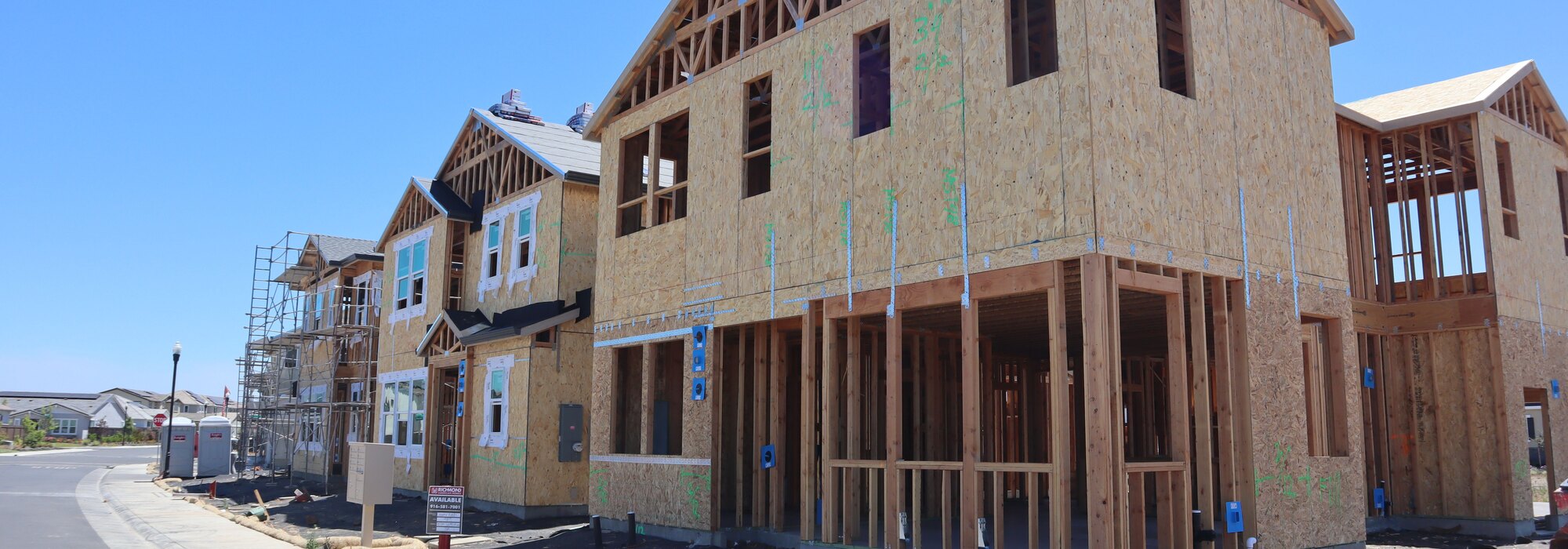
Because so much of this market is new construction, and because Pete spent years selling new homes for builders, an investor here has an edge most markets cannot offer:
- Incentives improve your returns directly. Rate buy-downs and closing credits lower your carrying cost or your basis. Knowing which incentive helps an investor, and when builders move on them, is money in your pocket.
- Standing inventory is negotiable. A finished, unsold home costs the builder every month. That is often where an investor finds the best entry, and where premiums soften.
- Buy the rentable spec, not the dream upgrades. On a rental, design-center restraint matters. We steer you toward what tenants value and resale rewards, and away from money you will never recover.
- Read the district math up front. MUD and PID communities can pencil fine, but only when the true carrying cost is in the model from the start.
In a new-construction market, the investor who understands how builders price wins before the tenant ever moves in.
Risks and how to manage them
- Growth is not guaranteed to be smooth. Markets move in cycles. Buy so the numbers work today, not only if appreciation continues. Cash flow is your margin of safety.
- Property tax increases can erode returns over time. Model conservatively and understand the appraisal and protest process.
- Regulation changes can affect short-term rentals and other strategies. Do not build a plan on a rule that a city can change.
- Over-supply in specific pockets: a lot of new building in one area can pressure rents and resale for a time. Location and product selection matter.
- Management reality: distance and self-management both have costs. Budget honestly for property management or your own time.
Building your local team
Investing well from anywhere depends on the people on the ground. We can help you assemble the right ones:
- An advisor who invests too: Pete buys and holds here himself, so you get an owner's perspective, not just an agent's.
- Lenders who know investment and new-construction lending, so financing does not become the bottleneck.
- Property management, inspection, and contractor referrals you can trust from day one, especially if you are out of state.
- Straight answers on every deal, including the ones we tell you to walk away from. The honest no is worth more than the easy yes.
Tell us your strategy and your numbers, and we will pressure-test a real deal with you, honestly. Start a conversation.
Official links
- Travis, Hays, and Williamson county appraisal districts for real tax figures, per address
- Texas Comptroller property-tax and homestead information
- Austin Chamber of Commerce regional economic and growth data
- City of Austin short-term-rental and zoning rules (verify per address and per city)
- New Home Dispatch Pete's new-construction research and the builder incentive tracker
This guide is educational and general, not investment, tax, legal, or financial advice. Real estate carries risk. Verify all figures and rules for the specific property and consult qualified professionals before investing. Equal Housing Opportunity. TREC Information About Brokerage Services · TREC Consumer Protection Notice.
Guides are a start. A conversation is better.
Read what's useful, then tell me where you are and what you're trying to do. I'll give you a straight answer, no pressure.
