Area Guide No. 06 — The North & Northwest Corridor
Round Rock, Cedar Park, Leander, and Georgetown, honestly. The settled suburbs, the new-build frontier, the north-side jobs, and the metro's only commuter rail.
North and northwest of Austin is where a lot of families end up when they want established suburbs, strong retail, and a straight run to the big north-side employers, alongside some of the metro's most active new construction. From Round Rock and Cedar Park to booming Leander and historic Georgetown, this is a big, varied corridor. This guide is the honest, on-the-ground read on how the pieces differ and how to buy well in each.
Contents

The corridor at a glance
Run north from Austin on I-35, MoPac, or the 183A toll and the metro keeps going for miles: Round Rock and Pflugerville close in, Cedar Park and Leander out to the northwest, Georgetown and Hutto at the outer edge. It is the part of the region with the deepest mix of established neighborhoods and brand-new communities, anchored by major employers and the metro's only commuter rail. For buyers who want a settled suburb or a new home near north-side jobs, this is usually where the search lands.
The north side carries a heavy share of the region's large employers, from Round Rock's corporate base to the tech campuses along the northwest corridor. For a north-side job, living up here can turn a brutal commute into a short one.
Unlike the newest corridors, the north offers real choice between settled 1990s-2010s neighborhoods with mature trees and current new-construction phases. Your priorities, not the town, decide which fits.
Leander anchors the north end of Capital MetroRail into downtown. For the right schedule it is a genuine car-free commute, and a factor almost no other corridor can offer.
The freshest inventory and the strongest builder incentives sit at the outer edges, around Leander, Georgetown, and Hutto, where the next wave of master plans is opening now.
The towns, honestly
The names you'll hear on a north-corridor tour, described by character rather than ranked. Which one fits depends on your budget, your commute, and how you feel about established versus brand-new:
- Round Rock — the established anchor: a big corporate employer base, well-known parks and sports facilities, mature neighborhoods, and full-scale retail. Close-in and settled, with a real downtown of its own.
- Cedar Park — a popular, family-oriented northwest suburb that filled in over the last few decades: established neighborhoods, strong retail, and an events arena, with an easy MoPac and 183A run.
- Leander — the corridor's growth engine to the northwest: heavy new construction, a wide price band, and the MetroRail terminus. This is where many first-time and relocating buyers find the newest home for the money up here.
- Georgetown — the historic outer anchor: one of Texas's most celebrated courthouse squares, a large and well-known active-adult community, and newer master plans spreading out around it.
- Pflugerville & Hutto — the value side, east of I-35: established Pflugerville close in, faster-growing Hutto beyond it, both offering more house per dollar with a straightforward run to north-side jobs and the airport via toll roads.
School options up north, mapped out
Schools drive more north-corridor searches than almost anything else, so know the full landscape — not just the district line. We don't rank schools or steer by them; fit is personal and yours to decide. What you should know going in:
- The public districts: this corridor spans several — Round Rock ISD, Leander ISD, Georgetown ISD, Pflugerville ISD, and Hutto ISD among them — and lines can change block to block, especially where districts overlap city limits. Verify the current assignment for a specific address, and ask the district what campuses are planned near any new community.
- Charter, private & homeschool options: tuition-free public charters operate across the north metro with enrollment by application rather than address, and private and parochial schools cluster along the corridor. Charter seats are often lottery-based; apply early if that's your path.
- If schools lead your search, say so: we'll build the home tour around school logistics — drive times at drop-off hour, not midnight — instead of retrofitting schools to a house you already love.
We don't rank areas by schools. Confirm current boundaries, ratings, and campuses per address with the district and the Texas Education Agency, and tour campuses in person before you commit to an address.
Daily life up north
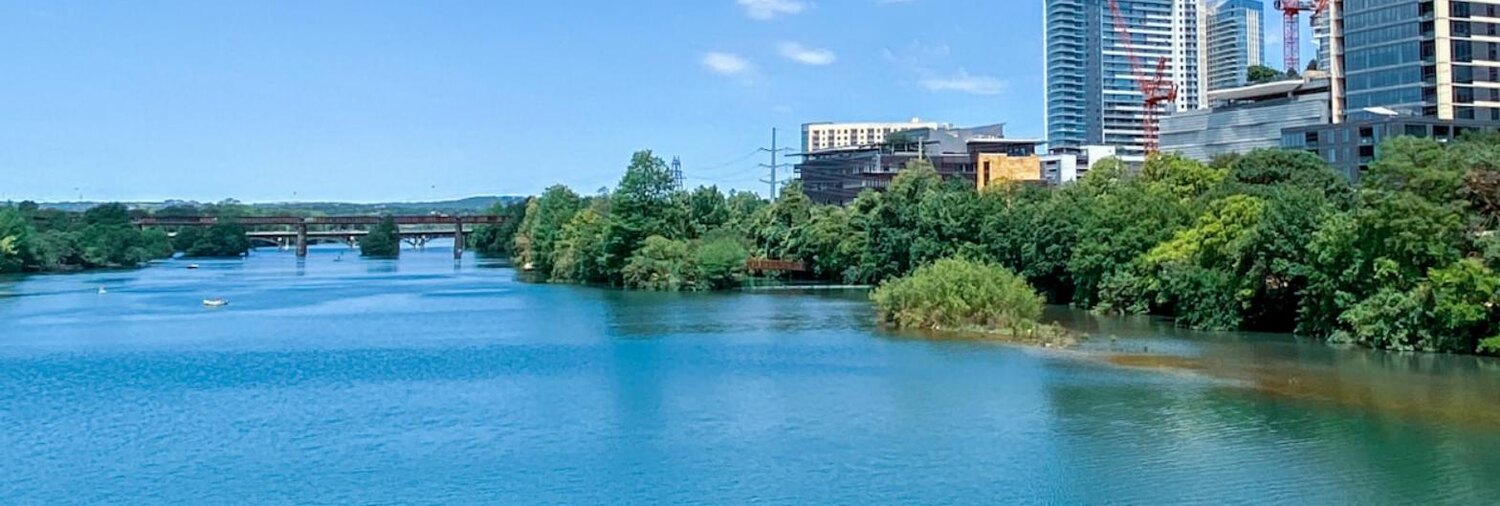
- The Georgetown square is a genuine destination: restored courthouse, local shops and restaurants, and seasonal events that draw the whole area. A different feel from the newer suburbs to the south.
- Parks and trails run deep here. Round Rock's Old Settlers and Brushy Creek, Cedar Park's trail network, and the Brushy Creek regional trail tie neighborhoods together for walkers and cyclists.
- Retail is fully built out across most of the corridor: major grocery, big-box, and dining are close in Round Rock and Cedar Park, and filling in fast around Leander and Hutto.
- Family attractions cluster up north: a large indoor water resort, an events and hockey arena, and the region's minor-league ballpark are all on this side of the metro.
- Lake life is close. The Highland Lakes and the north shore of Lake Travis sit just west of the corridor, an easy weekend reach from the northwest suburbs.
Buying new up here
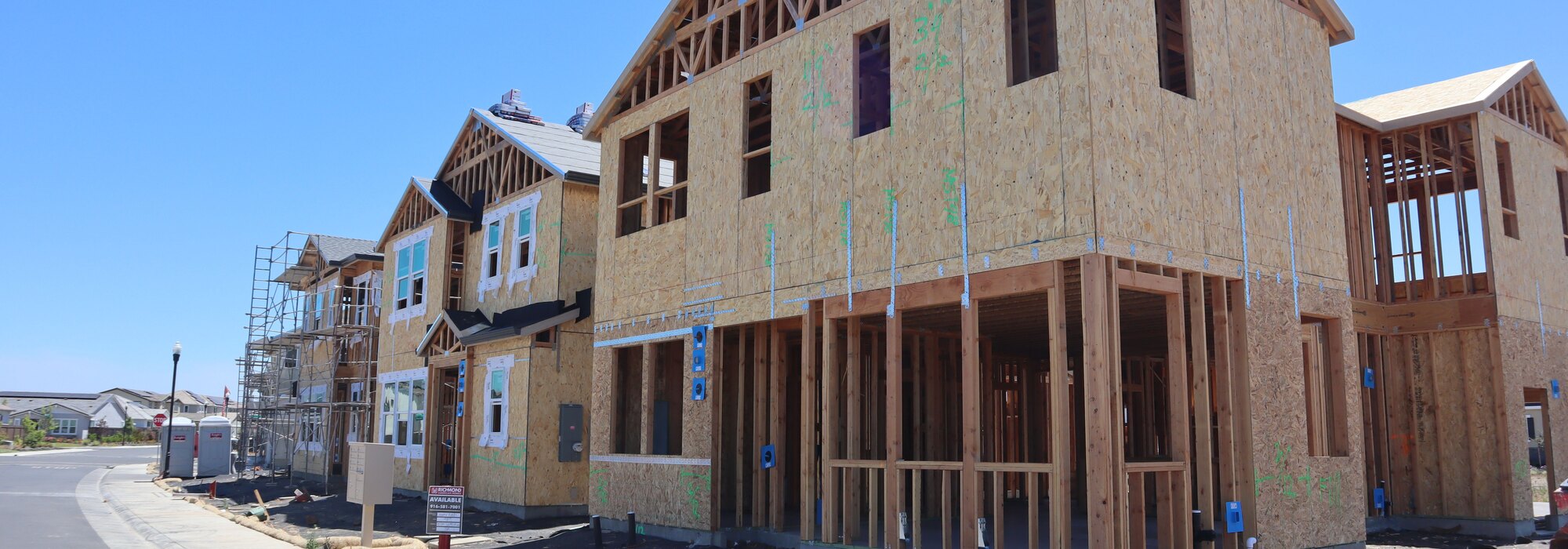
The established core has plenty of resale, but the newest construction and the strongest incentives sit at the outer edges. Where new building is the story, builder-side knowledge is worth real money:
- The new-build frontier is the outer ring. Leander, north Georgetown, Hutto, and the far edges of the corridor carry the active phases and the competing incentives. Ask for this week's tracker before you tour.
- MUD and PID districts are common in the newer master plans out here. They fund the amenities you're buying into and they sit on your tax bill. Budget the settled all-in monthly, not year-one taxes on bare dirt.
- Registration first, tours second. Many builders only honor representation if your agent is involved from the first visit. Loop Pete in before you walk any model, even casually.
- Resale competes with new here in a way it doesn't further south. An established Cedar Park or Round Rock home can be the better buy than a new build once you weigh trees, location, and finish-out. We'll run both sides honestly.
The money & the districts
- Price a specific address, never the town. Williamson or Travis County, the city, the school district, and any MUD/PID stack differently street by street across this corridor.
- The county line matters here. Much of the north sits in Williamson County rather than Travis; tax rates, exemptions, and appraisal practices differ, so confirm which county your address falls in.
- Homestead exemption: file it once you own and occupy; verify current rules with the county appraisal district that covers your address.
- New-build taxes step up as the home and neighborhood finish out. Budget year-two reality, not year-one teaser bills.
- Insurance quotes early. Get a real quote on the real address before you commit to a payment.
General information, not tax, legal, or lending advice. Verify specifics with the county, a licensed lender, and a licensed insurance agent. We're glad to run real numbers on any address.

The commute & the rail
- Three north-south arteries feed the corridor: I-35 through Round Rock and Georgetown, MoPac and the 183A toll through Cedar Park and Leander, and SH-130 (toll) on the far east for the airport and the eastern job centers.
- MetroRail is the north's edge. Capital MetroRail runs from Leander through the northwest into downtown Austin. For a downtown schedule that fits the timetable, it is a real car-free option no other corridor offers.
- Northwest to the tech campuses can be quick from Cedar Park and Leander via 183A and the toll network, turning a job that would be a nightmare from the south into a short run.
- Drive your real commute at your real hour before you buy. I-35 through this stretch is some of the most-worked road in the state; the toll relief valves are worth every penny for a daily driver.
List the two or three places you actually have to reach often. Where you land along I-35, MoPac, 183, and the tollways shapes your daily life more than almost anything else.
| Place you must reach | How often | Max drive you'll accept | Peak-time reality |
|---|---|---|---|
Send me your top three and I'll show you homes that fit the commute — not the other way around.
| What matters to you | 1 | 2 | 3 | 4 | 5 |
|---|---|---|---|---|---|
| Commute to your must-reach places | |||||
| All-in monthly cost fits comfortably | |||||
| Home age / condition / warranty | |||||
| Space & layout for your life | |||||
| What's within 15 minutes | |||||
| Taxes & district fees (MUD/PID/HOA) | |||||
| Resale outlook you're comfortable with | |||||
| Overall gut feel |
Comparing two or three homes? Score each one and the right answer usually gets a lot clearer.
Official links
- City of Round Rock — services, parks, and development
- City of Cedar Park — services and community information
- City of Leander — the corridor's fastest-growing city
- City of Georgetown — the historic square and outer-corridor growth
- Williamson County Appraisal District — the tax picture for most north-corridor addresses
- Texas Education Agency — verify districts and campuses yourself, per address
- Capital MetroRail — the Leander-to-downtown commuter line and schedule
This guide is educational and general, not tax, legal, or financial advice; characterizations are qualitative and change as the corridor grows. Verify specifics for any property before relying on them. Equal Housing Opportunity. TREC Information About Brokerage Services · TREC Consumer Protection Notice.
Prefer to talk it through? Just reach out.
Guides are a start. A conversation is better.
Read what's useful, then tell me where you are and what you're trying to do. I'll give you a straight answer, no pressure.
