Area Guide No. 01, The Southern Corridor
Buda, Kyle, and San Marcos, honestly. What each town feels like, what the money really looks like, and how to buy well where most of the homes are brand new.
Drive twenty minutes south of downtown Austin on I-35 and the metro changes character: the price-per-square-foot drops, the neighborhoods get newer, and three distinct small cities — Buda, Kyle, and San Marcos — each make their own case. This guide is the honest, on-the-ground version of what living down here is actually like: what each town feels like, what the money really looks like, and how to buy well in a corridor where most of the inventory is new construction. No pitch — just the stuff we'd tell a good friend.
What's inside

The corridor at a glance
The southern corridor is the stretch of I-35 between South Austin and San Marcos. It's one of the fastest-growing parts of Texas — and for relocating buyers it's often the sweet spot: newer homes, more space per dollar, real small-town centers, and a straight shot up the interstate to everything Austin.
Buda (closest in, roughly 15 miles from downtown Austin), Kyle (the corridor's growth engine, roughly 20), and San Marcos (the college town on the river, roughly 30). Distances are approximate, via I-35 — your real commute is the peak-hour version, not the map version.
A large share of homes for sale down here are new builds in master-planned communities. That means incentives, design centers, builder contracts — and a real advantage for buyers who bring someone who knows how builders work.
Same budget, different outcome: closer-in Austin buys you proximity; the corridor buys you square footage, a yard, and often a brand-new home with a warranty. Neither is wrong — it's a life choice, and we'll help you weigh it honestly.
Pete and Eugenia live and work this corridor — including years spent selling new homes for builders in South Austin. This is the part of the metro where their knowledge is street-by-street, not just data-deep.
City boundaries from OpenStreetMap public data, simplified for legibility. The I-35 line is schematic — a straight reference between town centers, not the literal road path — for orientation only, not navigation or ranking. Equal Housing Opportunity.
| Metric | Buda | Kyle | San Marcos |
|---|---|---|---|
| Population, 2025 estimate | 16,166 | 69,917 | 77,830 |
| Population change since 2020 census | +6.8% | +53.0% | +14.9% |
| Median value, owner-occupied home | $446,600 | $334,600 | $310,400 |
| Median monthly owner cost (with mortgage) | $2,240 | $1,991 | $1,899 |
| Owner-occupied housing rate | 76.6% | 67.1% | 30.8% |
| Mean travel time to work | 29.0 min | 36.4 min | 24.0 min |
Kyle's average commute (36.4 minutes) runs longer than San Marcos's (24.0 minutes), even though Kyle sits closer to Austin on the map. I-35 traffic plays a role, but it is probably not the whole story. San Marcos has a major employer sitting right in town: Texas State University, with 44,596 students as of fall 2025, more than 1,700 full-time faculty, and more than 2,300 full-time staff. That gives a lot of San Marcos residents a short local commute, while Kyle remains more of a bedroom community, with more residents driving out to jobs elsewhere. San Marcos's lower owner-occupied rate (30.8%) reflects that same college-town role, not a market weakness. Drive your actual commute at your actual time before you commit. These numbers explain why that matters here more than most places.
Source: U.S. Census Bureau QuickFacts (population estimates vintage 2025; American Community Survey 5-year estimates). Figures change; verify current numbers before relying on them for a decision.
Town by town, honestly
These three cities get lumped together on maps, but they don't feel the same. Here's the short version: what each one is, and who tends to love it. (Fit, not rankings: the right one depends on your life.)
Buda — the small town at Austin's doorstep
- The feel: a genuinely historic little main street (antique shops, coffee, patio restaurants) wrapped in newer neighborhoods. “Buda” rhymes with “judah” — you'll be corrected once, kindly.
- The housing picture: established neighborhoods from the 2000s–2010s plus active new-home communities; generally the closest-in (and often the priciest) of the three.
- Who tends to love it: people who want the shortest corridor commute and a town that already feels settled — with a real main street for Saturday mornings.
Kyle — the corridor's growth engine
- The feel: one of the fastest-growing cities in Texas — new communities, new schools, new retail arriving in waves. Also, delightfully, the self-proclaimed “Pie Capital of Texas.”
- The growth is not just a feeling: Kyle ranked #2 among U.S. cities with 50,000 or more residents for its population growth rate between July 2022 and July 2023, and #11 among cities of 20,000 or more, per U.S. Census Bureau population estimates reported by the Austin Business Journal.
- The housing picture: the deepest new-construction inventory in the corridor, across a wide band of prices — from first-home communities to larger master plans like Plum Creek, 6 Creeks, Anthem, and Waterstone (where Lennar and Meritage are actively building new phases) with resort pools and trails.
- Who tends to love it: buyers who want the most home for the money in a brand-new community and are comfortable with a town that's still being built around them — energy now, amenities arriving.
San Marcos — the river city
- The feel: a real college town (Texas State) with a crystal-clear spring-fed river running through the middle of it, a courthouse square with live music, and outlet malls people drive hours to reach.
- The housing picture: the most affordable of the three overall — historic pockets near the square, newer communities on the edges, and steady investor interest thanks to the university.
- Who tends to love it: value-focused buyers, remote workers who want river-town life, Texas State families, and anyone splitting life between Austin and San Antonio — you're roughly halfway.
Just north of Buda, inside Austin's city limits, communities along the Menchaca and Goodnight Ranch corridors give you an in-between option: city address, newer construction, and quick access to both downtown and the corridor. If your budget can reach it and your life points north, it belongs on your tour. Ask us to build you a corridor tour — we'll sequence all of it in one focused day.
School options in the corridor, mapped out
Schools drive more relocation decisions than almost anything else, so know the full landscape — not just the district line. We don't rank schools or steer by them; fit is personal and yours to decide. What you should know going in:
- The public districts: Hays CISD serves most of Buda and Kyle and is one of the fastest-growing districts in Texas; San Marcos CISD serves San Marcos. Fast growth means new campuses and redrawn boundaries — verify the current assignment for a specific address, and ask the district what's planned near any new community you're considering.
- Charter options: tuition-free public charters operate in the corridor — including Valor Kyle, a classical K–12 charter with its own campus in Kyle — and enrollment is by application rather than address, so they're an option from anywhere nearby. Seats are often lottery-based; apply early.
- Private & homeschool: private and parochial schools sit within reach between the corridor and South Austin, and the area has active homeschool co-ops. Worth mapping against your commute before you pick a neighborhood.
- If schools lead your search, say so: we'll build the home tour around school logistics — drive times at drop-off hour, not midnight — instead of retrofitting schools to a house you already love.
| Town | Campus | Level | TEA rating |
|---|---|---|---|
| Buda | Jack C Hays High School | High | B |
| Buda | Moe and Gene Johnson High School | High | B |
| Buda | Buda Elementary School | Elementary | B |
| Kyle | Lehman High School | High | C |
| Kyle | Kyle Elementary School | Elementary | C |
| San Marcos | San Marcos High School | High | C |
| San Marcos | Crockett Elementary School | Elementary | B |
| San Marcos | Miller Middle School | Middle | C |
Buda and Kyle sit in Hays CISD, which earned an overall B (80 out of 100 points) in the state's 2024-2025 accountability ratings, released August 2025 — down one point from 81 the year before. San Marcos sits in its own district, San Marcos CISD, which earned a C (76 out of 100 points) the same year, a real improvement from a D two years earlier. Individual campus ratings vary within both districts, as shown above — a district average never tells you what's assigned to a specific address.
Source: Texas Education Agency 2024-2025 accountability ratings (released August 2025, after litigation delayed the prior year's release), via the Texas Tribune's Texas Public Schools database and Community Impact. These are academic performance grades only, not a measure of school culture, safety, or fit for your child, and not a home-buying recommendation. Attendance zones change; confirm the assigned campus for a specific address with the district directly.
We don't rank areas by schools — that's steering, and it's also just not our call. Confirm boundaries and campuses with the districts directly, check state ratings at the Texas Education Agency, and tour in person. We'll happily point you to the official sources for any home you're weighing.
New Braunfels sits just south of San Marcos on I-35, roughly 28 miles from San Antonio and 50 miles from Austin, close enough to be on plenty of buyers' radar as they weigh this corridor. It has grown fast: population reached 122,492 in July 2025, up 35.5% from the 2020 Census count of 90,394, per U.S. Census Bureau estimates. Median home value is $339,400 and median household income is $86,021. The average commute runs 27.1 minutes. Comal County has real momentum on the jobs side too: more than 1.6 million square feet of industrial space delivering through the end of 2025, roughly 350,000 square feet of new office space added over the past two years, and the share of residents with a bachelor's degree or higher climbing from 29.8% to 42.0% in five years. About half of Comal County's growth comes from people moving in from Bexar, Guadalupe, Hays, Travis, and Williamson counties, so plenty of future neighbors would be coming from San Antonio or Austin too. New Braunfels ISD and Comal ISD both earned a B in the state's 2024-2025 accountability ratings, holding steady from the year before. We have not verified specific tech employers moving in, so we are not calling it the next tech corridor, but the growth, the jobs numbers, and the location between two major metros are real, and worth a look if Buda, Kyle, or San Marcos do not quite fit.

Living here: the good stuff
The corridor's secret is that the fun isn't up in Austin — a lot of it is right here:
- Float the San Marcos River — spring-fed, clear, and roughly 72°F year-round — tube it, paddle it, or just swim at Rio Vista Park
- Buda's main street — antiques, coffee, breakfast tacos, and one of the best small-town farmers-market vibes near Austin
- Pie in Kyle — the Texas Pie Company earned Kyle its “Pie Capital of Texas” title — go early on weekends
- The square in San Marcos — courthouse lawn, live music, student energy, and proper Texas dance halls within a short drive
- Outlet runs — the San Marcos outlets are a legitimate destination — plan a half day, go on a weekday
- Wimberley & the Hill Country — Jacob's Well, Blue Hole, and wine country start twenty minutes west of the corridor
- Everything Austin, on your schedule — SoCo dinners, Zilker weekends, ACL in the fall — 20 to 40 minutes north when you want it, peace when you don't
| Town | Name | Type | Where |
|---|---|---|---|
| Buda | Historic Stagecoach Park The relocated McElroy-Severn Stagecoach House and the old Onion Creek Post Office, preserving Buda's 1800s stagecoach and postal history. | Landmark | Main Street |
| Buda | Buda Soda Fountain A working vintage soda fountain inside one of downtown Buda's restored historic buildings. | Local business | Main Street |
| Kyle | Lake Kyle Park Kyle's largest park at 118 acres — a 12.5-acre catch-and-release lake, over two miles of hiking trails, and an all-abilities playground. | Park & trails | 700 Lehman Rd |
| Kyle | Krug Activity Center Built in 1912 as Kyle's original city hall on the town's founding public square; on the National Register of Historic Places since 2002. | Landmark | Kyle's historic town square |
| San Marcos | Rio Vista Park The river park on the San Marcos River pictured at the top of this guide — rapids, tubing chutes, and a dam. | Park & river access | 555 Cheatham St |
| San Marcos | San Marcos River Walkway A paved riverside path along the spring-fed San Marcos River. | Trail | City Park to Ramon Lucio Park |
Verified 2026-07-25 via each venue's own listing or the relevant city's parks department. Hours, access rules, and amenities change; confirm directly before visiting. A short, honest starting list — not a ranking, not a complete guide to either town, and not an endorsement of any business.
Tell us which town you're leaning toward and we'll send the real list — where locals actually eat, swim, and spend Saturdays. Just ask.
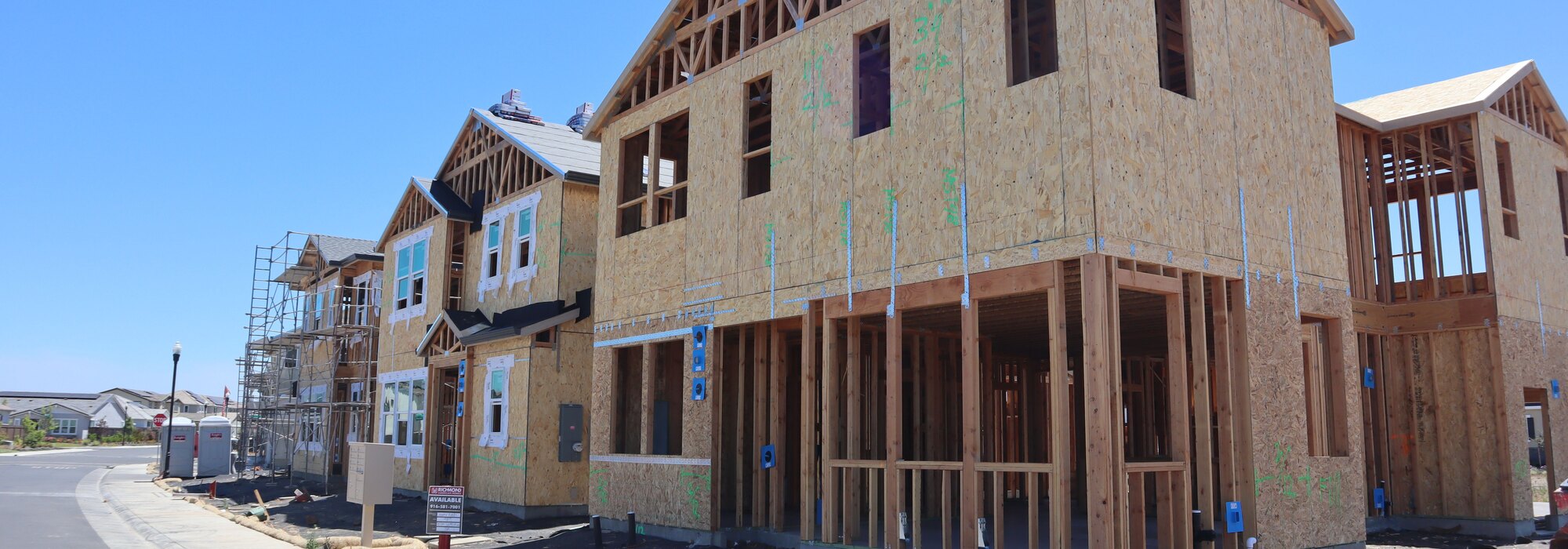
New construction: the corridor's main event
More than almost anywhere in the metro, buying in the southern corridor usually means buying from a builder. That's a genuine opportunity — if you understand how the builder side works. Pete spent years on that side of the table, selling new homes for builders in this very part of the metro. Here's what that experience buys you:
Rate buy-downs, closing-cost credits, design-center dollars — builders rarely lead with their best offer, and the structure matters as much as the size. We track what's really on the table across the corridor. Ask for this week's tracker.
Many corridor communities sit in special districts that add to the tax bill. They're not bad — they built the pool you'll love — but the settled, all-in monthly is the number to budget, not year-one taxes on bare dirt. We run it for any address.
Some design-center choices you'll see again at resale; others you never will. Before you spend a dollar past the base price, we'll tell you which is which — bluntly.
The friendly on-site agent works for the builder. Registration policies vary, and in many communities your agent must be with you from the first visit. Loop us in before you tour — it protects you, at no cost to you.
The model home is the builder's best salesperson. Bring your own.
The money, without the fog
No invented numbers here — prices move, and anyone quoting you a "corridor average" is selling something. What holds true:
- The gradient is real: broadly, the further south you go, the more home you get per dollar — Buda closest-in at a premium, San Marcos the value end, Kyle the wide middle. Where your budget lands is a one-conversation answer.
- Taxes need the district math: Hays County, city, school district, and any MUD/PID stack into your real rate — it varies street by street, not just town by town. Always price a specific address, never the town.
- Homestead exemption: once you own and occupy, file it — it lowers the taxable value of your primary residence. Verify current rules with the Hays County appraisal district.
- New-build taxes step up: year-one bills on new construction are often assessed on partial value. Budget the settled number so year two never surprises you.
- Insurance quotes early: newer roofs help, but get a real quote on the real address before you fall in love with the payment.
General information, not tax, legal, or lending advice — verify specifics for any property with the county, a licensed lender, and a licensed insurance agent. We're glad to run real numbers on any address.
The commute, honestly
The corridor lives and dies by I-35, and I-35 has opinions. The honest picture:
- Peak hours are real. The same drive that takes 25 minutes on Sunday can take an hour on a weekday morning. Drive your actual commute at the actual time before you commit — no exceptions.
- You have relief valves: SH-130 (toll) parallels I-35 to the east and moves when the interstate doesn't; SH-45 connects the corridor west toward MoPac. Toll costs add up — put them in the monthly budget if you'll use them daily.
- Remote and hybrid change everything. If you're in the office twice a week, the corridor math gets dramatically better. Be honest about your real schedule, not your worst-case one.
- The airport run is easy: ABIA sits on the southeast side, so corridor living often beats north-metro living for frequent flyers.
List the two or three places you actually have to reach often. Where you land along I-35, MoPac, 183, and the tollways shapes your daily life more than almost anything else.
| Place you must reach | How often | Max drive you'll accept | Peak-time reality |
|---|---|---|---|
Send me your top three and I'll show you homes that fit the commute — not the other way around.
Which town leans your way?
| What matters to you | 1 | 2 | 3 | 4 | 5 |
|---|---|---|---|---|---|
| Commute to your must-reach places | |||||
| All-in monthly cost fits comfortably | |||||
| Home age / condition / warranty | |||||
| Space & layout for your life | |||||
| What's within 15 minutes | |||||
| Taxes & district fees (MUD/PID/HOA) | |||||
| Resale outlook you're comfortable with | |||||
| Overall gut feel |
Comparing two or three homes? Score each one and the right answer usually gets a lot clearer.
The official links, bookmarked
- City of Buda — city services, permits, events
- City of Kyle — city services and the growth pipeline
- City of San Marcos — city services, river rules, parks
- Hays County Appraisal District — the actual tax picture for any corridor address
- Texas Comptroller — property tax — homestead-exemption basics and current rules
- Texas Education Agency — verify school districts and campuses yourself, per address
- TxDOT / Mobility35 — what's actually happening with I-35 construction
- CapMetro — park-and-rides and transit reaching the south metro
This guide is educational and general — not tax, legal, or financial advice; figures and characterizations are qualitative and change. Verify specifics for any property before relying on them. Equal Housing Opportunity. TREC Information About Brokerage Services · TREC Consumer Protection Notice.
Prefer to talk it through? Just reach out.
Guides are a start. A conversation is better.
Read what's useful, then tell me where you are and what you're trying to do. I'll give you a straight answer, no pressure.
